Table of contents
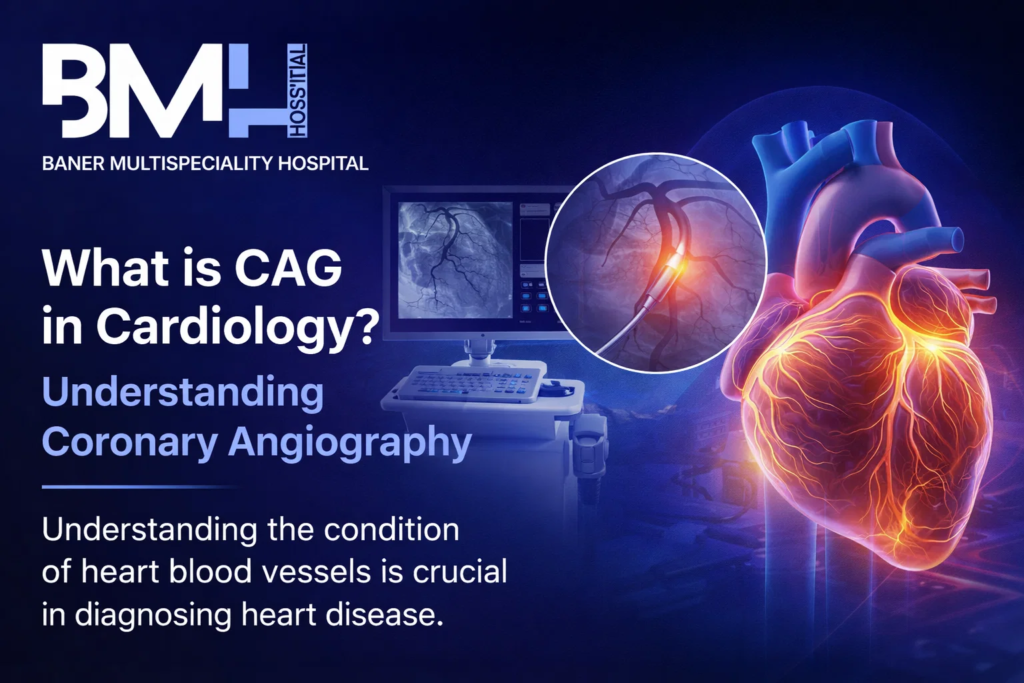
Understanding the condition of heart blood vessels is crucial in diagnosing heart disease. Coronary angiography (CAG) is one of the primary procedures used to assess their health; cardiologists use CAG as a key diagnostic tool, to detect blockages or any abnormalities in coronary arteries, such as Coronary Artery Disease (CAD), which is one of the leading causes of heart attacks worldwide.
What Is Coronary Angiography (CAG)?
Coronary Angiography, or CAG, is an imaging technique used to visualize the interior of coronary arteries. A contrast dye is injected into these arteries during this procedure so doctors can see any blockages, narrowing or other issues within them which might impede blood flow to the heart muscle.
CAG testing is often recommended when symptoms suggest heart disease, such as chest pain, shortness of breath or unexplained fatigue. Stress tests or ECGs may also show evidence of coronary artery problems.
How is Coronary Angiography Performed?
CAG procedures are minimally invasive and usually performed in a catheterization lab (or cath lab). Here’s a breakdown of how it’s carried out:
- Prep Step: Before inserting the catheter, patients receive local anesthetic injections to numb the area where it will be inserted, usually either their groin or wrist.
- Catheter Insertion: A catheter (a thin and flexible tube) is carefully placed into an artery and directed toward the coronary arteries.
Once the catheter is in place, a contrast dye will be injected to help highlight coronary arteries on X-ray images.
- Imaging: To identify blockages or irregularities in the arteries, physicians use several X-ray images as dye travels through them.
- Post-Procedure Care: After each procedure, patients are monitored closely for several hours post-surgery to ensure no complications arise from it.
Why Is CAG Important in Cardiology?
CAG plays an essential role in diagnosing and managing heart disease. It provides cardiologists with invaluable support.
- Diagnose Blocked Areas: Recognize areas in which blood flow has become restricted due to plaque buildup, which could increase your risk for heart attacks or other cardiovascular ailments.
- Assess Severity: Assessing the severity of blockage or narrowing is crucial in deciding on an effective course of treatment – be it medication, angioplasty, or surgery.
- Guide Treatment Decisions: CAG can aid in planning procedures such as angioplasty, stent placement or coronary artery bypass grafting (CABG).
When should CAG Be Prescribed?
CAG therapy may be recommended for patients who:
- Chest pain or discomfort should never persist.
- Abnormal results from other tests (e.g. ECG or stress tests)
- Family History of Heart Disease
- Risk factors including hypertension, diabetes and high cholesterol should also be taken into consideration.
Benefits of Coronary Angiography
- Accurate Diagnosis: CAG provides doctors with a clear picture of coronary arteries, enabling them to make informed decisions regarding treatment.
- Minimally Invasive: Contrary to traditional surgery, CAG involves minimally invasive procedures that use tiny incisions, reducing risks of infection and speeding recovery time.
- Treatment Plans Are Outlined Based on CAG Results: Based on its findings, doctors can suggest the most suitable form of therapy – be it lifestyle changes, medications or more intensive procedures.
Key Takeaways
- What Is CAG? Coronary Angiography (CAG) is an imaging test designed to visualize coronary arteries in order to detect blockages or irregularities that could potentially obstruct blood flow to them.
- How It Works: Contrast dye is injected into coronary arteries for examination using X-ray images.
- When is CAG needed? A cardioaortography (CAG) screening should be considered whenever there are signs or symptoms of heart disease, including chest pain or abnormal test results.
- Benefits: Benefits include accurate diagnostics with minimally invasive tests that help guide future treatment decisions.
Discover Baner Multi-Speciality Hospital
Baner Multi-Speciality Hospital specializes in comprehensive heart care services, such as advanced diagnostic techniques like coronary angiography. Our team of expert cardiologists ensure each patient receives personalized, high-quality care tailored to their unique needs. As one of the premier Cardiology Hospitals in Baner Pune, our facilities and patient-centric approach will make the healthcare journey as smooth as possible.
Book Your Consultation Now with Our Cardiology Experts & Get the Care You Deserve

Dr Swaroop Salunke
Dr Swaroop Salunkhe is a trusted Orthopedic Surgeon in Baner, Pune, specializing in advanced orthopedic surgery, pain management, and sports injury rehabilitation. His practice focuses on restoring mobility, improving joint function, and enhancing musculoskeletal health through personalized and compassionate care.